
Regional Siding Features: Exploring the Characteristics of New England Siding
- jlively0
- Feb 2
- 4 min read
When it comes to choosing siding for homes in the northeastern United States, understanding the unique features of regional siding is essential. The climate, architectural styles, and historical influences all play a role in shaping the siding options that are most suitable for this area. This article delves into the distinctive characteristics of New England siding, highlighting what makes it stand out and why it remains a popular choice for homeowners in this region.
Understanding Regional Siding Features in New England
New England siding is designed to withstand the region's diverse weather conditions, which include harsh winters, humid summers, and frequent storms. The materials and styles used reflect both practicality and tradition. Common features include:
Durability: Siding materials must resist moisture, wind, and temperature fluctuations.
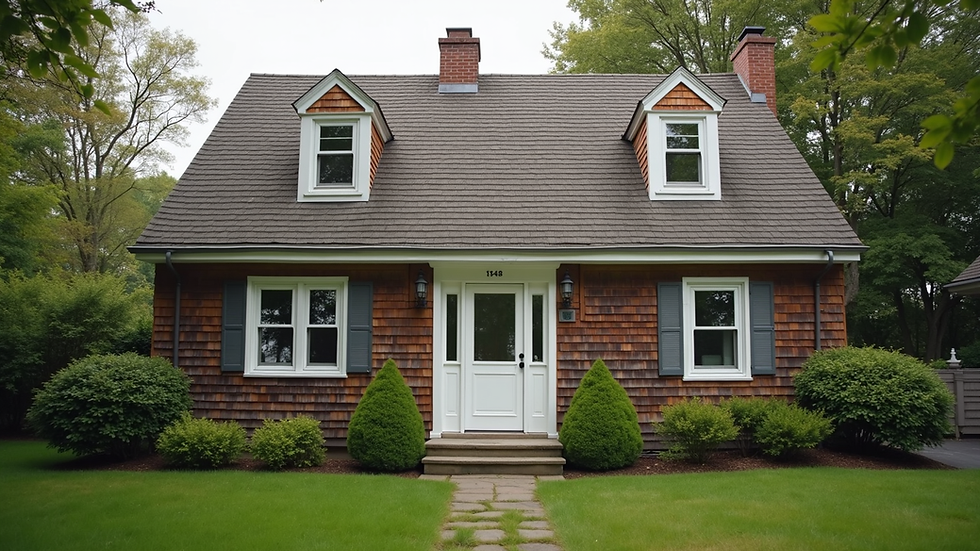
Aesthetic Appeal: Many homes feature classic styles such as clapboard or shingles that complement the historic architecture.
Insulation Properties: Effective siding helps maintain indoor temperatures, reducing energy costs.
Low Maintenance: Homeowners often prefer siding that requires minimal upkeep due to the demanding climate.
Materials like cedar shingles and clapboard are traditional favorites, offering natural resistance to rot and insects. Modern alternatives such as fiber cement and vinyl siding mimic these classic looks while providing enhanced durability and easier maintenance.
Popular Materials and Styles in New England Siding
The choice of siding material in New England is influenced by both historical trends and modern innovations. Here are some popular options:
Wood Shingles and Clapboard
Characteristics: Natural wood offers a timeless look and excellent insulation.
Pros: Authentic appearance, environmentally friendly, easy to repair.
Cons: Requires regular painting or staining, susceptible to moisture damage if not maintained.
Fiber Cement Siding
Characteristics: Made from cement, sand, and cellulose fibers, it replicates wood textures.
Pros: Fire-resistant, low maintenance, durable against weather.
Cons: Heavier and more expensive than vinyl.
Vinyl Siding
Characteristics: A synthetic option that can imitate wood grain and shingles.
Pros: Affordable, low maintenance, resistant to pests and rot.
Cons: Can crack in extreme cold, less authentic appearance.
Composite Siding
Characteristics: Made from engineered wood or other materials, designed for durability.
Pros: Resistant to moisture and insects, often comes pre-finished.
Cons: Can be pricier than vinyl.
Each material offers a balance between aesthetics, cost, and performance. Homeowners often select siding based on the architectural style of their home and the level of maintenance they are willing to undertake.
How much does siding cost for a 3,000 sq ft house?
Estimating the cost of siding for a 3,000 square foot house depends on the material chosen, labor costs, and additional factors such as insulation and removal of old siding. Here is a general breakdown:
Vinyl Siding: $5,000 - $12,000
Vinyl is the most budget-friendly option, with prices varying based on quality and style.
Wood Siding (Shingles or Clapboard): $10,000 - $25,000
Wood siding is more expensive due to material costs and labor-intensive installation.
Fiber Cement Siding: $15,000 - $30,000
This option is mid to high range but offers excellent durability and low maintenance.
Composite Siding: $12,000 - $28,000
Composite materials vary widely in price depending on brand and finish.
Additional costs to consider include:
Removal of old siding: $1,000 - $3,000
Insulation upgrades: $1,500 - $4,000
Painting or finishing: $1,000 - $3,000 (if applicable)
To get the best value, homeowners should request multiple quotes and consider long-term maintenance costs alongside initial expenses.
Benefits of Choosing New England Siding for Your Home
Selecting siding tailored to the New England climate offers several advantages:
Weather Resistance: Materials are chosen to endure snow, ice, and wind without deteriorating quickly.
Energy Efficiency: Proper siding helps insulate homes, reducing heating and cooling bills.
Preservation of Architectural Heritage: Many siding options maintain the traditional look of New England homes.
Increased Property Value: Quality siding can boost curb appeal and resale value.
Low Maintenance Options: Modern siding materials reduce the need for frequent repairs or repainting.
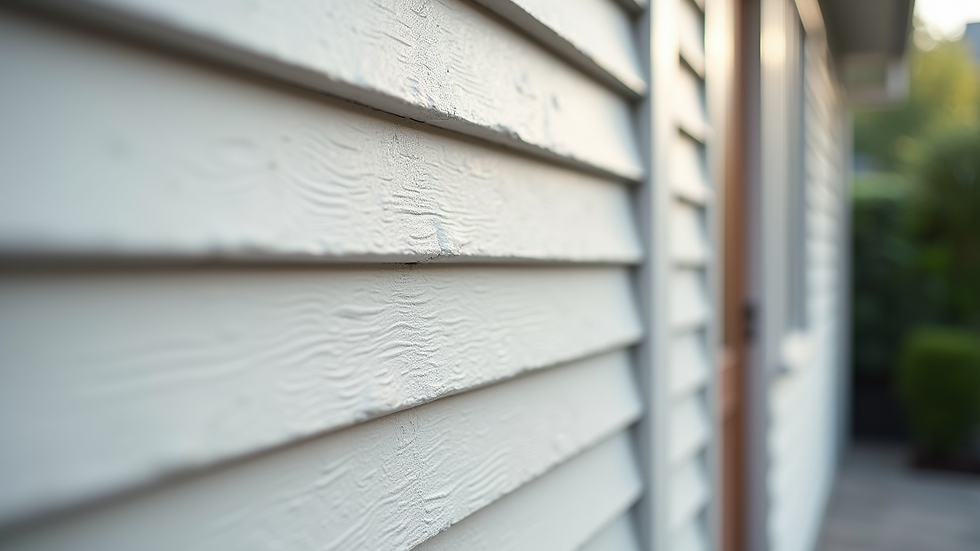
For example, fiber cement siding is a popular choice because it combines the classic look of wood with superior resistance to moisture and fire. Meanwhile, vinyl siding offers a cost-effective solution for homeowners seeking durability with minimal upkeep.
Tips for Maintaining Your New England Siding
Proper maintenance extends the life of your siding and keeps your home looking its best. Here are some practical tips:
Regular Cleaning: Wash siding annually with a garden hose or pressure washer on a low setting to remove dirt and mildew.
Inspect for Damage: Check for cracks, warping, or loose panels, especially after storms.
Repaint or Restain Wood Siding: Every 3-7 years, depending on exposure and product used.
Trim Vegetation: Keep bushes and trees away from siding to prevent moisture buildup and damage.
Address Moisture Issues: Ensure gutters and downspouts direct water away from the house.
By following these steps, homeowners can protect their investment and enjoy the beauty and functionality of their siding for many years.
Embracing the Charm and Functionality of New England Siding
Choosing the right siding is a crucial decision for any homeowner in the northeastern United States. The unique climate and architectural heritage of the region demand materials that are both beautiful and resilient. Whether you prefer the authentic look of wood shingles or the low-maintenance appeal of fiber cement, understanding the features of New England siding will help you make an informed choice.
For those interested in exploring options further, consider consulting with local siding professionals who specialize in regional materials and styles. They can provide tailored recommendations that balance aesthetics, durability, and budget.
If you want to learn more about new england siding, this resource offers detailed insights and product options suited for your home.
By investing in quality siding designed for the region, you not only enhance your home's appearance but also protect it against the elements for decades to come.


Comments