
top of page
Search

Cost-Effective Siding Options for Homeowners

When it comes to upgrading your home's exterior, choosing the right siding is crucial. It not only protects your home from the elements but also enhances curb appeal and adds value. However, siding can be a significant investment. That’s why I want to share some cost-effective siding options that deliver quality without breaking the bank. These choices are practical, durable, and perfect for homeowners looking to improve their homes smartly.


Exploring Cost-Effective Siding Options


Finding siding that balances quality and price is easier than you might think. Several materials offer durability, aesthetic appeal, and affordability. Here are some of the best cost-effective siding options you should consider:


Vinyl Siding


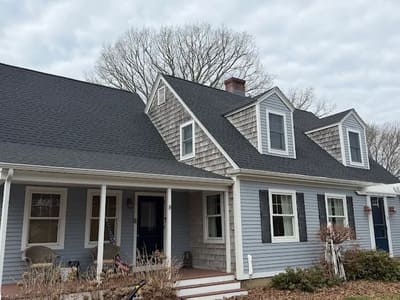
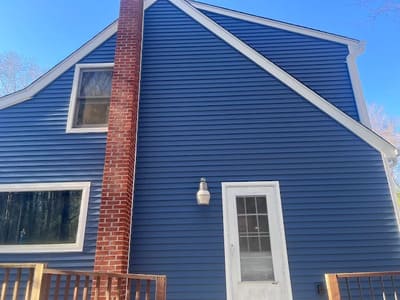
Vinyl siding is one of the most popular choices for homeowners. It’s affordable, low maintenance, and comes in a variety of colors and styles. Vinyl resists moisture, insects, and fading, making it ideal for New England’s variable climate. Installation is straightforward, which helps keep labor costs down.


  • Pros: Low cost, easy to install, wide color range, low maintenance.

  • Cons: Can crack in extreme cold, less eco-friendly.


Fiber Cement Siding


Fiber cement siding combines durability with a natural look. It mimics wood but resists rot, fire, and pests. While fiber cement is a bit more expensive than vinyl, it offers excellent longevity and requires less upkeep over time.


  • Pros: Long-lasting, fire-resistant, low maintenance.

  • Cons: Heavier and harder to install, higher upfront cost.


Engineered Wood Siding


Engineered wood siding offers the beauty of real wood with added durability. It’s treated to resist moisture and insects, making it a solid choice for homeowners who want a natural look without the high maintenance of traditional wood.


  • Pros: Attractive wood appearance, more affordable than real wood, treated for durability.

  • Cons: Needs periodic painting or staining, less durable than fiber cement.


Aluminum Siding


Aluminum siding is lightweight, resistant to rust, and easy to maintain. It’s a good option if you want a metal siding that won’t dent easily. Aluminum can be painted, so you have flexibility in color choices.


  • Pros: Rust-resistant, lightweight, recyclable.

  • Cons: Can dent, may fade over time.


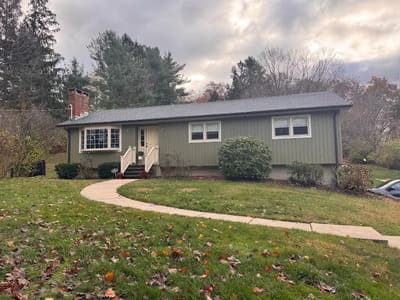
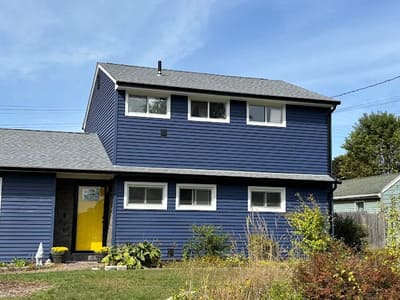
Eye-level view of vinyl siding on a residential home exterior
Vinyl siding on a house exterior

How much does siding cost for a 2000 sq ft house?


Understanding the cost of siding for a typical 2000 square foot house helps you budget effectively. Here’s a rough breakdown based on material:


  • Vinyl Siding: $5,000 - $10,000

  • Fiber Cement Siding: $10,000 - $15,000

  • Engineered Wood Siding: $7,000 - $12,000

  • Aluminum Siding: $6,000 - $11,000


These estimates include materials and installation but can vary depending on your home’s design, location, and contractor rates. Vinyl siding is the most budget-friendly, while fiber cement offers the best long-term value despite a higher initial cost.


When planning your project, consider not just the upfront price but also maintenance and lifespan. For example, vinyl siding may need replacement sooner than fiber cement, which can last 30-50 years.


Tips for Choosing the Right Siding for Your Home


Selecting siding is more than just picking a material. Here are some practical tips to help you make the best decision:


  1. Assess Your Climate Needs: New England’s weather can be harsh. Choose siding that withstands moisture, wind, and temperature changes.

  2. Consider Maintenance: Some materials require regular upkeep. If you prefer low maintenance, vinyl or fiber cement are better choices.

  3. Match Your Home’s Style: Siding should complement your home’s architecture. Engineered wood works well for traditional homes, while aluminum suits modern designs.

  4. Check Local Building Codes: Some areas have restrictions on siding materials or colors.

  5. Get Multiple Quotes: Always compare prices and services from different contractors to ensure you get the best deal.


Benefits of Investing in Quality Siding


Investing in quality siding pays off in several ways. It protects your home from damage, improves energy efficiency, and boosts resale value. Good siding also enhances curb appeal, making your home more attractive to visitors and potential buyers.


  • Energy Efficiency: Insulated siding options can reduce heating and cooling costs.

  • Durability: Quality siding withstands weather and pests, reducing repair costs.

  • Aesthetic Appeal: Fresh siding updates your home’s look instantly.


By choosing wisely, you can enjoy these benefits without overspending. For example, fiber cement siding might cost more upfront but saves money on repairs and energy bills over time.


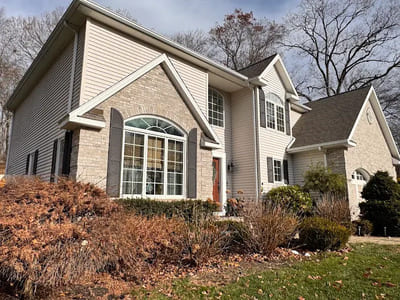
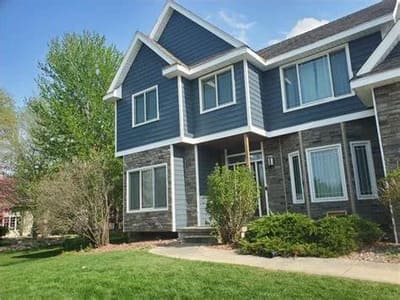
Close-up view of fiber cement siding texture on a house wall
Fiber cement siding texture on house exterior

Making the Most of Affordable Siding Options


If you want to find the best affordable siding options for your home, start by researching materials and getting professional advice. Don’t rush the decision. Take time to compare costs, durability, and appearance.


Remember, siding is a long-term investment. Choosing the right material and installer ensures your home stays protected and looks great for years. Whether you opt for vinyl, fiber cement, or engineered wood, focus on quality and value.


If you’re ready to transform your home’s exterior, reach out to experts who understand New England’s unique needs. They can guide you through the process and help you select siding that fits your budget and style.


Preparing Your Home for Siding Installation


Before installation begins, prepare your home to ensure a smooth process:


  • Clear the area around your home.

  • Remove any old siding or damaged materials.

  • Inspect the underlying structure for repairs.

  • Plan for any necessary permits.


Proper preparation helps avoid delays and extra costs. It also ensures the new siding adheres correctly and performs well.


Choosing cost-effective siding options doesn’t mean sacrificing quality. With the right information and planning, you can upgrade your home’s exterior affordably and confidently. Take the time to explore your options, understand costs, and work with trusted professionals. Your home deserves the best protection and style without overspending.


Comments


bottom of page